
If you are a homeowner with a septic tank, you likely enjoy the independence of managing your own utility. However, that independence comes with a critical responsibility: maintaining a delicate, living underground ecosystem.
Unlike a municipal city sewer system that routes waste to a massive, industrial treatment plant, your property relies entirely on a localized balance of biology and engineering. When that balance breaks, the consequences are messy, stressful, and entirely preventable.
The easiest way to protect your property and avoid thousands of dollars in emergency structural repairs is simple: stop treating your toilets like trash cans.
Before you press down that handle, make sure none of these Top Septic Offenders are going down with the water.
The “Flushable” Wipes Deception
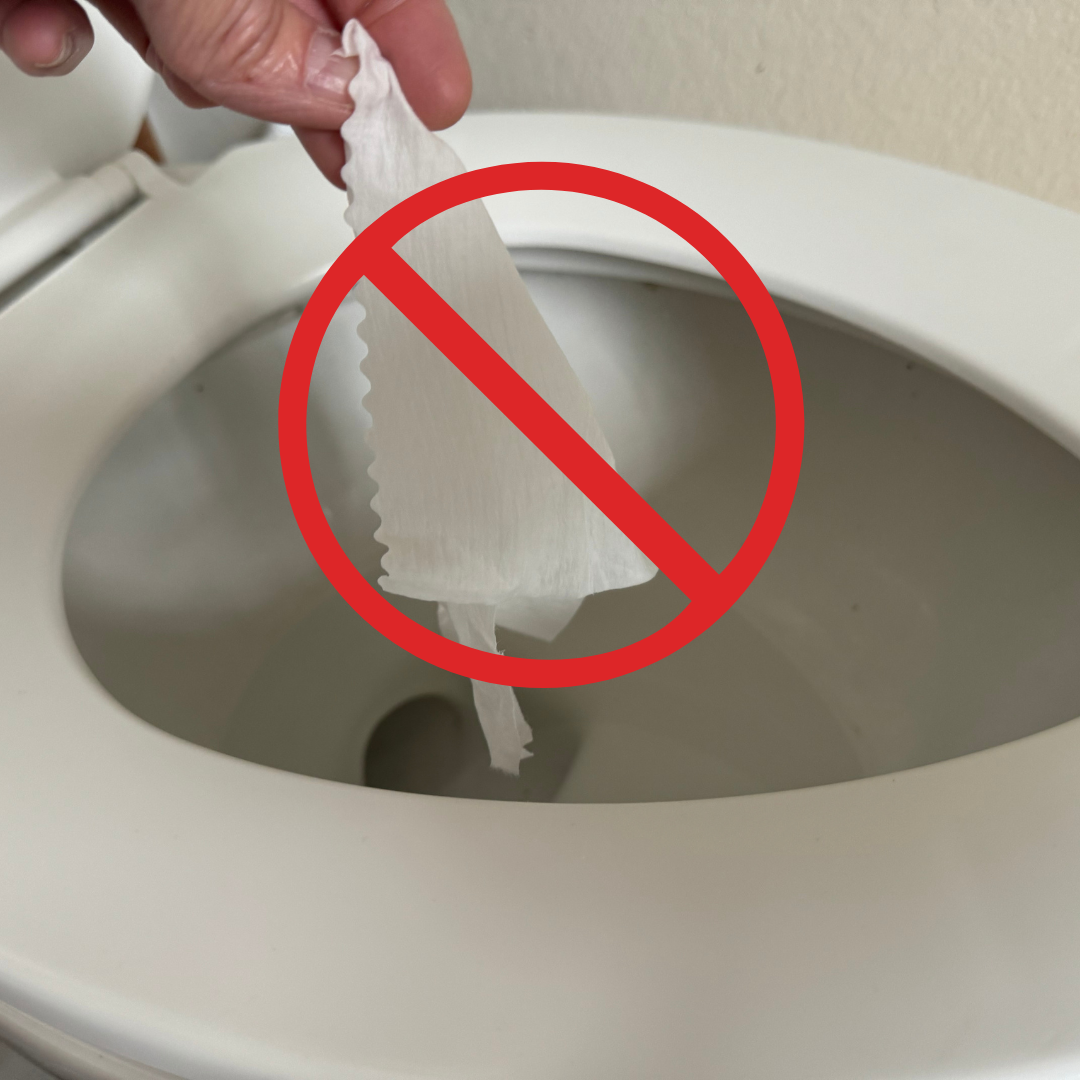
If there is a public enemy number one for septic systems, it is the modern wet wipe. Despite what the packaging claims, “flushable” wipes do not dissolve like standard toilet paper.
While they might clear your toilet bowl with ease, they remain completely intact as they travel down your lateral lines. Once inside your tank, they float, snag on pipe joints, and bind together with other solids. This creates a dense, impenetrable mass that can entirely back up your home’s plumbing or choke your tank’s inlet baffle.
Feminine Hygiene Products
Tampons, sanitary pads, and plastic applicators should never enter a septic system. By design, these products are engineered to absorb liquid and expand significantly.
When introduced to a septic tank, they do not break down. Instead, they remain buoyant, quickly taking up valuable space in your tank’s scum layer or lodging themselves directly inside your main drain line, causing high-stress plumbing emergencies.
Fats, Oils, and Grease (FOG)
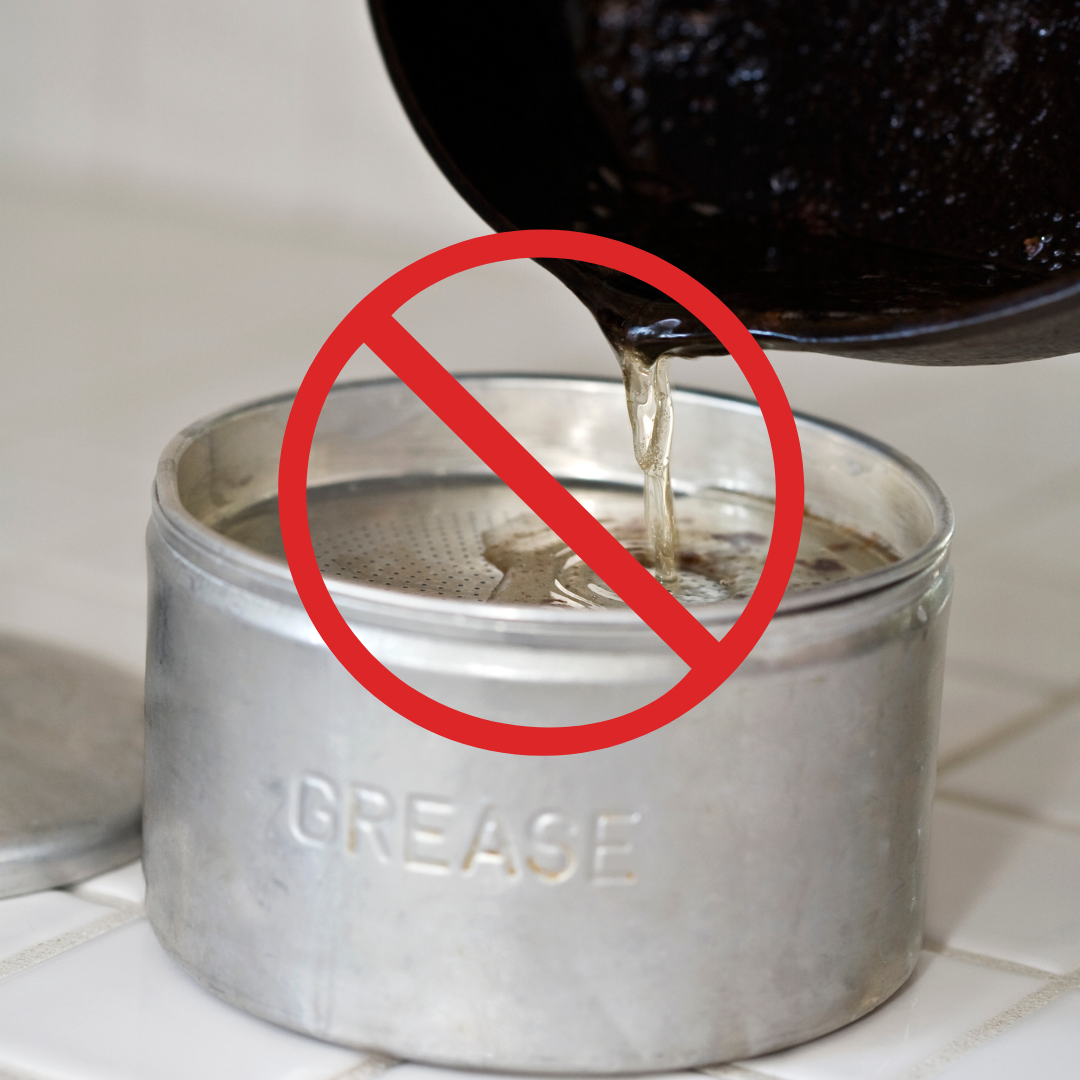
It can be tempting to rinse warm cooking grease down the kitchen sink, but doing so acts as a ticking time bomb for your plumbing.
While grease is a liquid when hot, it rapidly cools and solidifies into a rock-hard substance the moment it hits your pipes and cool tank water. This solid fat smothers the natural, beneficial bacteria your tank requires to digest organic waste. Furthermore, excessive grease floats to the top, rapidly thickening the scum layer and potentially escaping into your drainfield, which can ruin your soil’s soil-absorption capacity permanently.
Household Chemicals and Corrosive Cleaners
Your septic tank is not a sterile environment, it is a living bioreactor powered by trillions of good bacteria that actively digest solid waste.
- Dumping harsh chemical agents down the drain acts like a bomb to that biological ecosystem. Keep these toxic substances entirely out of your system:
- Chemical drain openers (which can also corrode your pipes)
- Excessive chlorine bleach
- Oil-based paints, thinners, and solvents
- Chemical pesticides or automotive fluids
If you kill off the bacteria population, solid waste will build up rapidly, causing your system to fail and overflow far ahead of its normal schedule.
The Takeaway for Homeowners
An ounce of prevention is worth thousands of dollars in avoidable structural repairs. The simplest way to enforce these rules is to place a designated trash can next to every toilet and sink in your home so guests and family members always have a safe alternative.
Notice the Warning Signs of a Failing Septic System?
Regular maintenance is the key to expanding the lifespan of your septic system. If you notice any of these red flags, your system is already sending an SOS:
- Slow-draining sinks, tubs, or toilets throughout the house
- Gurgling sounds originating from your pipes
- Grown, unusually vibrant green grass directly over your drainfield
- Pooling water or damp, spongy soil in your yard
- Foul, sulfur-like odors around your tank area
Don’t wait for a catastrophic backup to take action. Contact the team at Herring Septic Service today to schedule your next professional inspection, maintenance check, or routine tank pump-out!
Everyday Trash and Non-Biodegradables
The golden rule of septic care is straightforward: if it is not human waste or standard toilet paper, it does not belong in the bowl. Keep a close eye out for these everyday household items that frequently sneak into the system:
- Paper towels and facial tissues: These are woven tightly to stay strong when wet and will not dissolve in a septic tank.
- Dental floss: This non-biodegradable string turns into a literal net inside your tank, wrapping around moving parts like effluent pumps and binding other solids together.
- Cat litter: Even varieties marketed as “septic-safe” rely on clay or organic materials that clump together and settle like concrete at the bottom of your tank.
- Coffee grounds and cigarette butts: These do not decompose and rapidly fill up the sludge layer at the bottom of the tank, reducing its overall capacity.
Let us handle the mess!
From start to finish, Herring Septic Service will make sure your flushes go where they should. Contact us today! (229) 356-1786

